QTC and AgroSonics are officially in the NASA and Engine4 AgroBrain Project.


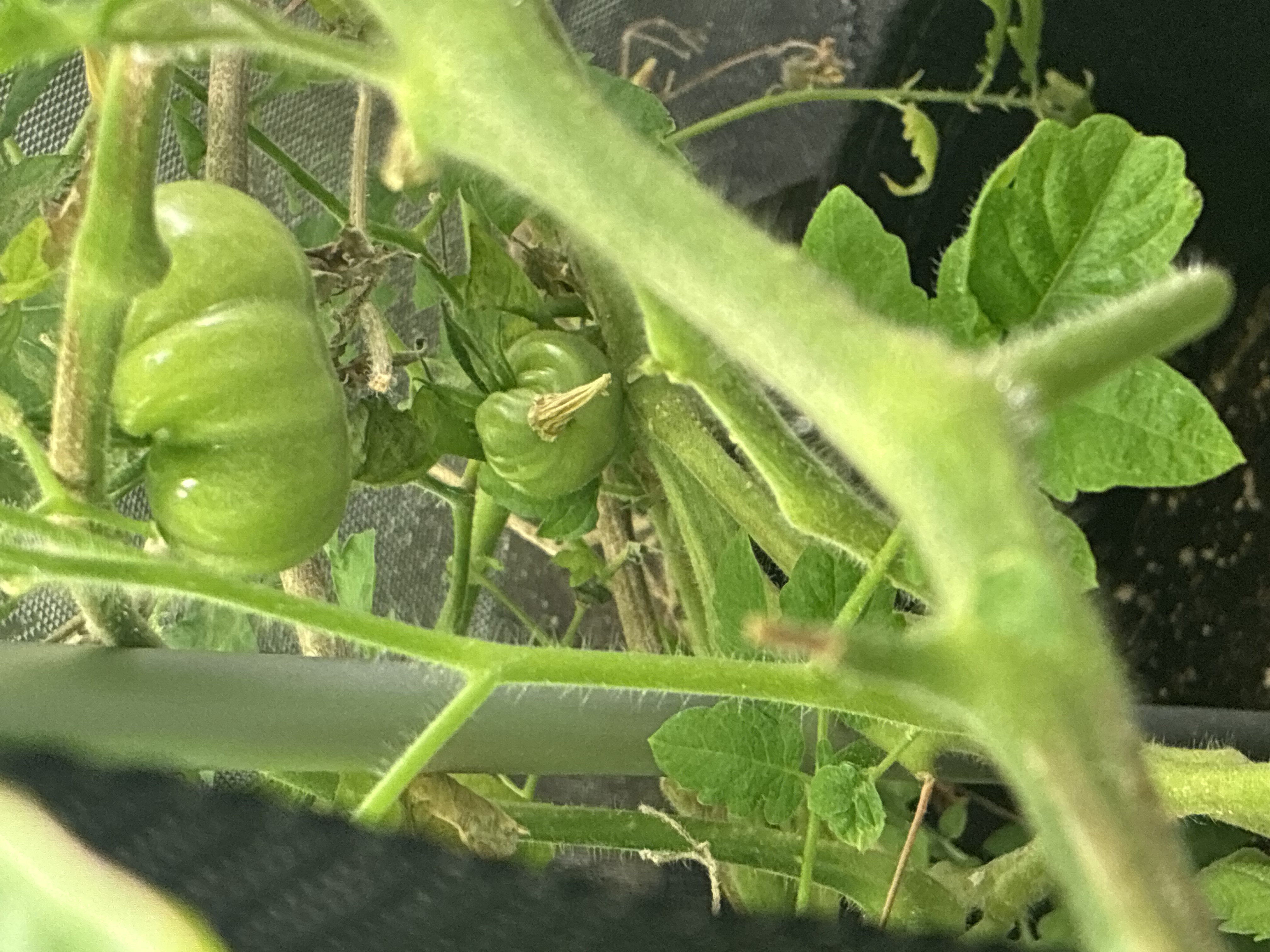
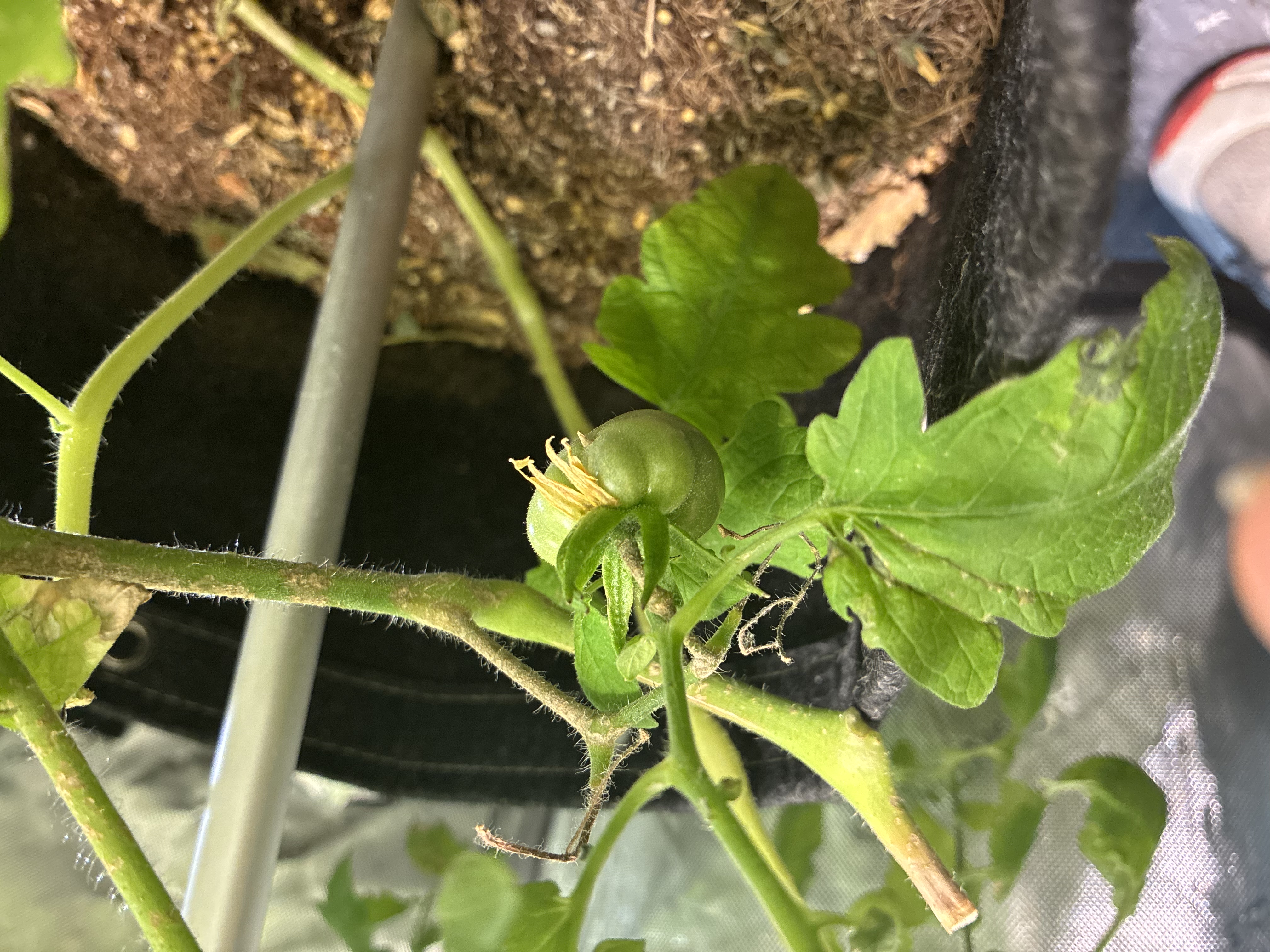
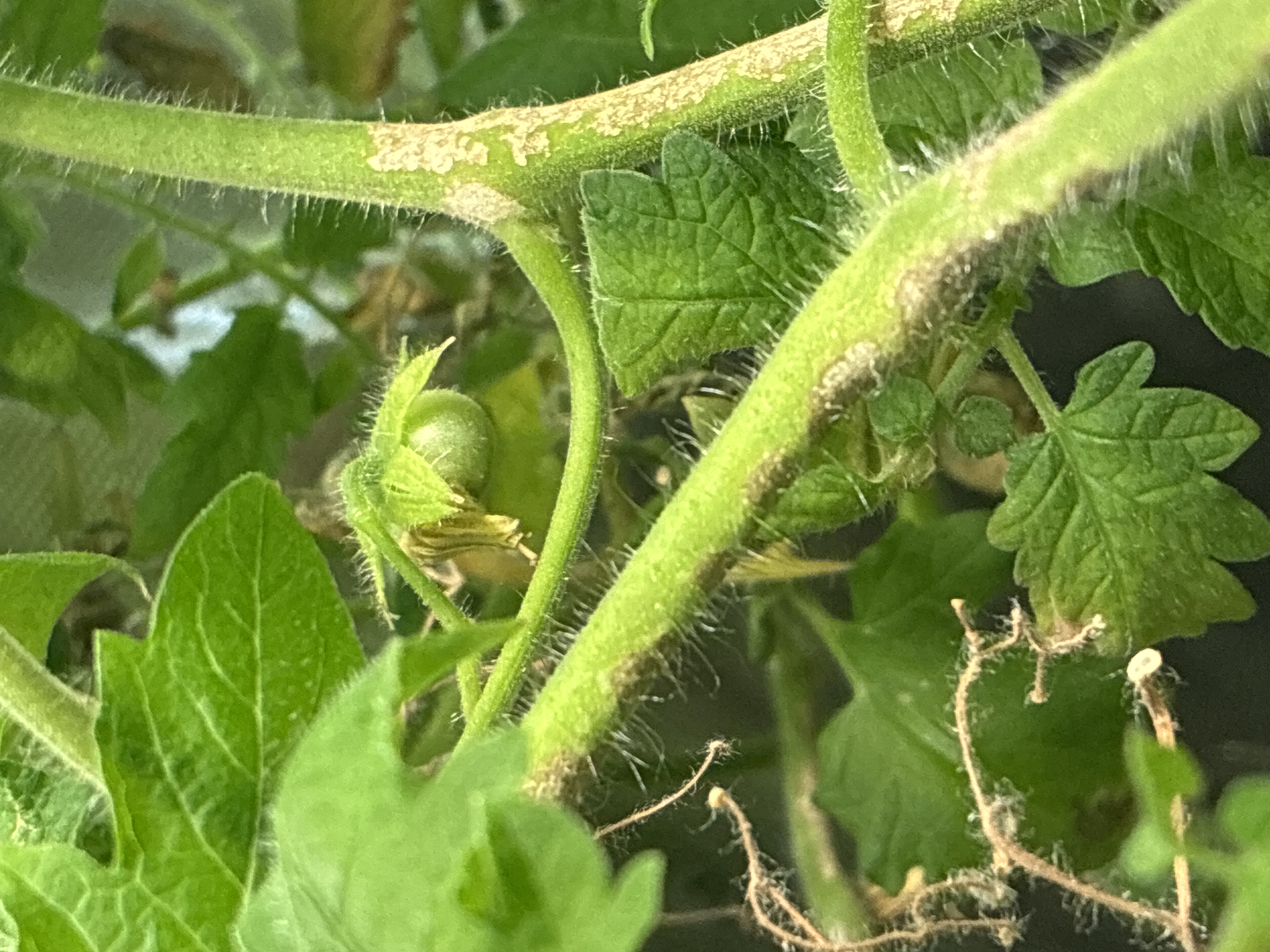


The objective of this showcase is to highlight the groundbreaking integration of Agrosonics technology, the Agrobrain system, and the Engine4 innovation platform, in collaboration with NASA and the Artemis Project. This initiative demonstrates how precision sonic stimulation, combined with unique microbial consortia and tailored liquid fertilizers, can significantly enhance plant growth, resilience, and productivity.
By pairing Agrosonics with farm-bought automated vertical tower systems, the project introduces a scalable and sustainable agricultural model that can function both on Earth and in extraterrestrial environments. These towers, optimized through sonic-microbial synergy, provide continuous food production with minimal resource inputs—an essential capability for interplanetary exploration, lunar and Martian habitation, and long-term human survival beyond Earth.
On Earth, the same systems create a blueprint for climate-resilient, sustainable agriculture, offering solutions to food security, carbon reduction, and regenerative farming. By bridging frontier space exploration with real-world agricultural needs, this showcase underscores how Agrosonics-powered vertical farming can simultaneously support planetary colonization and transform global food systems.
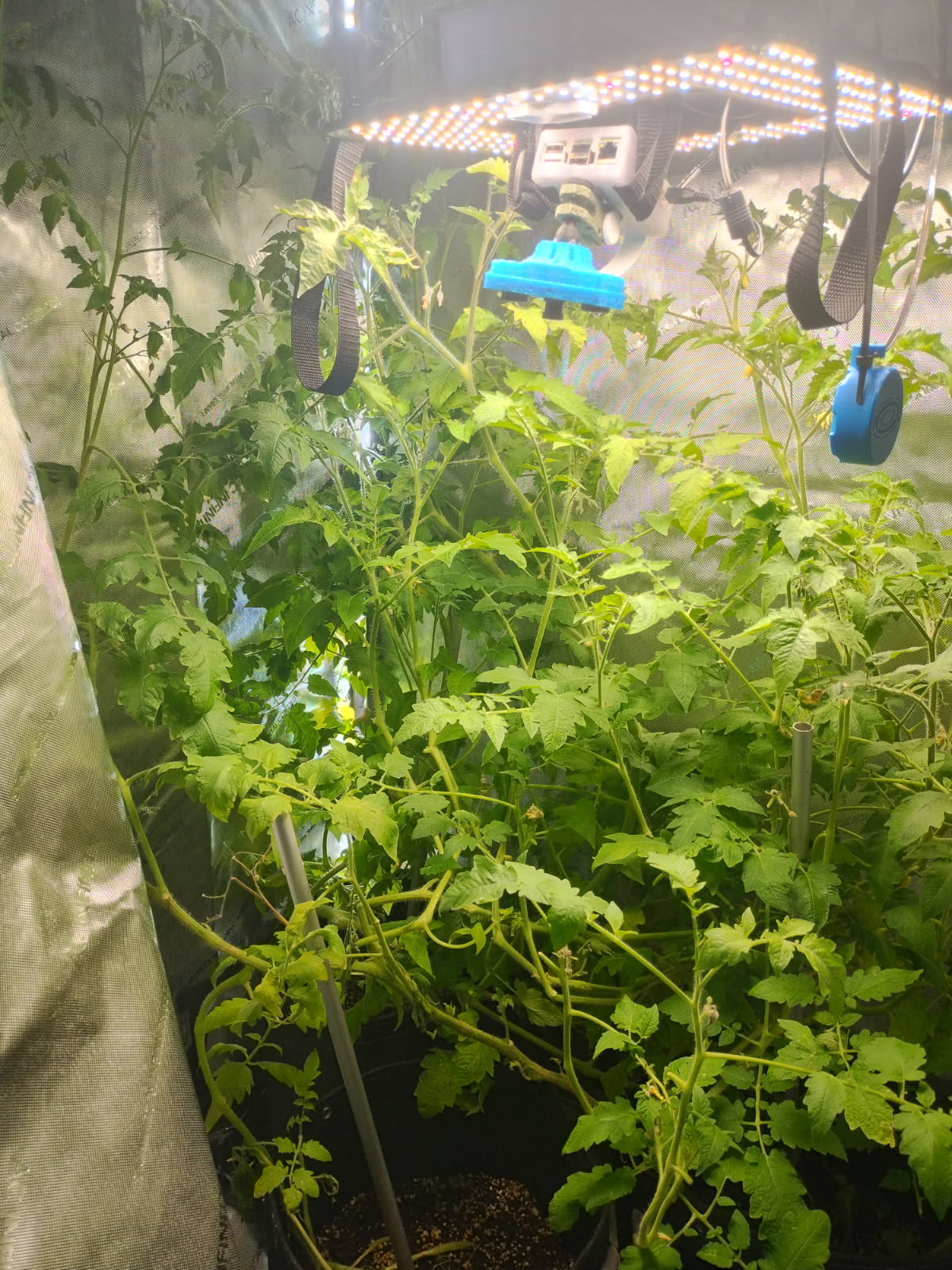
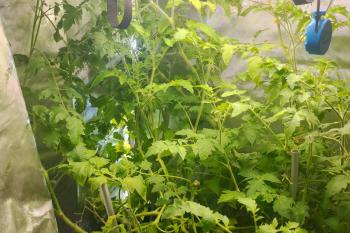
We hung one AgroSonic in middle of grow tent about 3 feet high.
Through our work combining Agrosonics frequencies, specialized microbial consortia, and liquid compost fertilizers, we have conducted trials with seeds that were cultivated in space and later returned to Earth. These experiments were designed to test resilience, adaptability, and enhanced growth responses under controlled environments.
A key breakthrough came when these treated seeds were sown into simulated lunar and Martian regolith soils. Traditionally, such soils are inhospitable to plant life due to their lack of organic content, limited nutrient availability, and extreme physical-chemical properties. However, when revitalized through our integrated approach—sonic stimulation, microbial inoculation, and nutrient-rich liquid compost—we observed a remarkable transformation in soil viability.
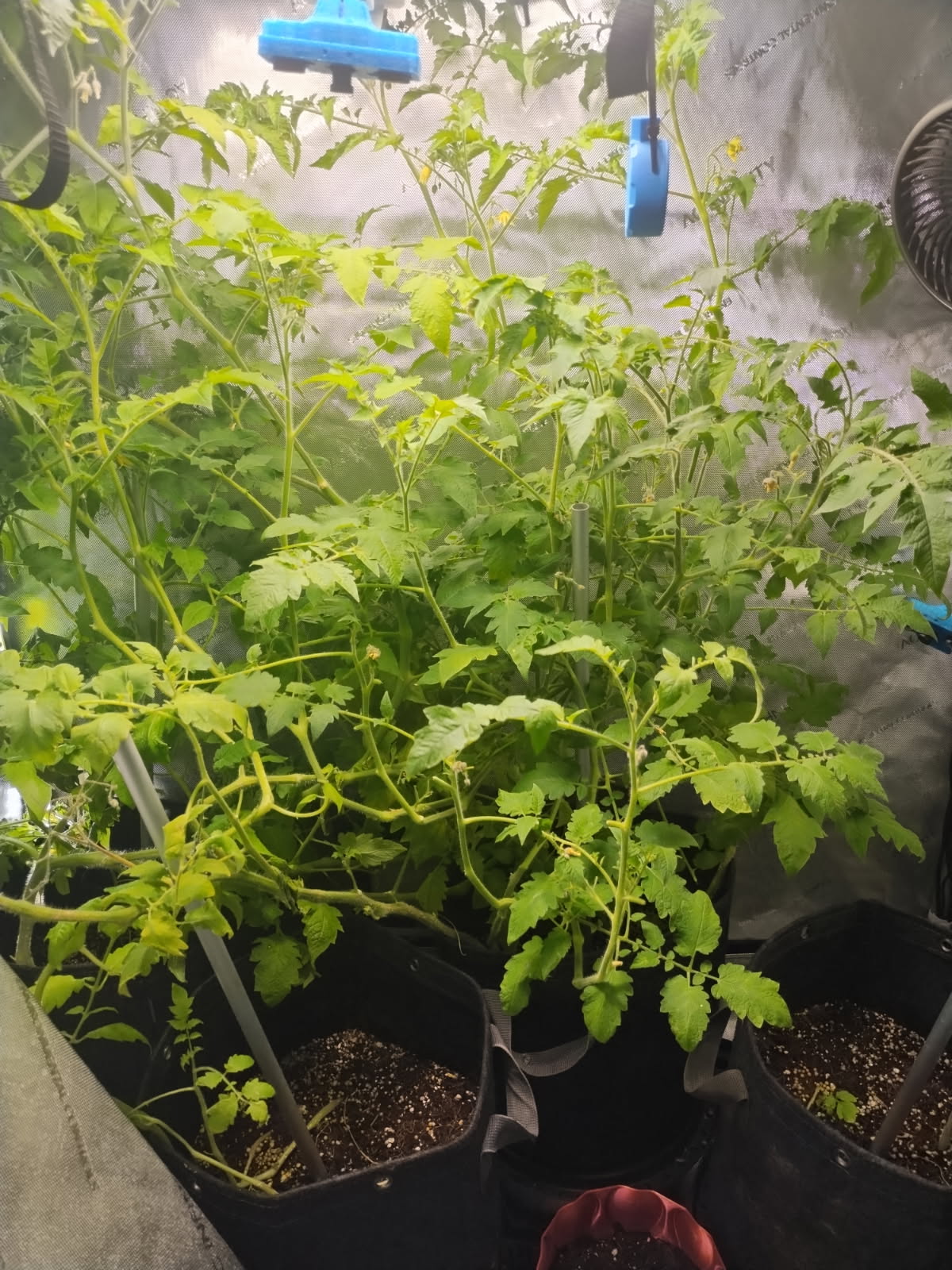
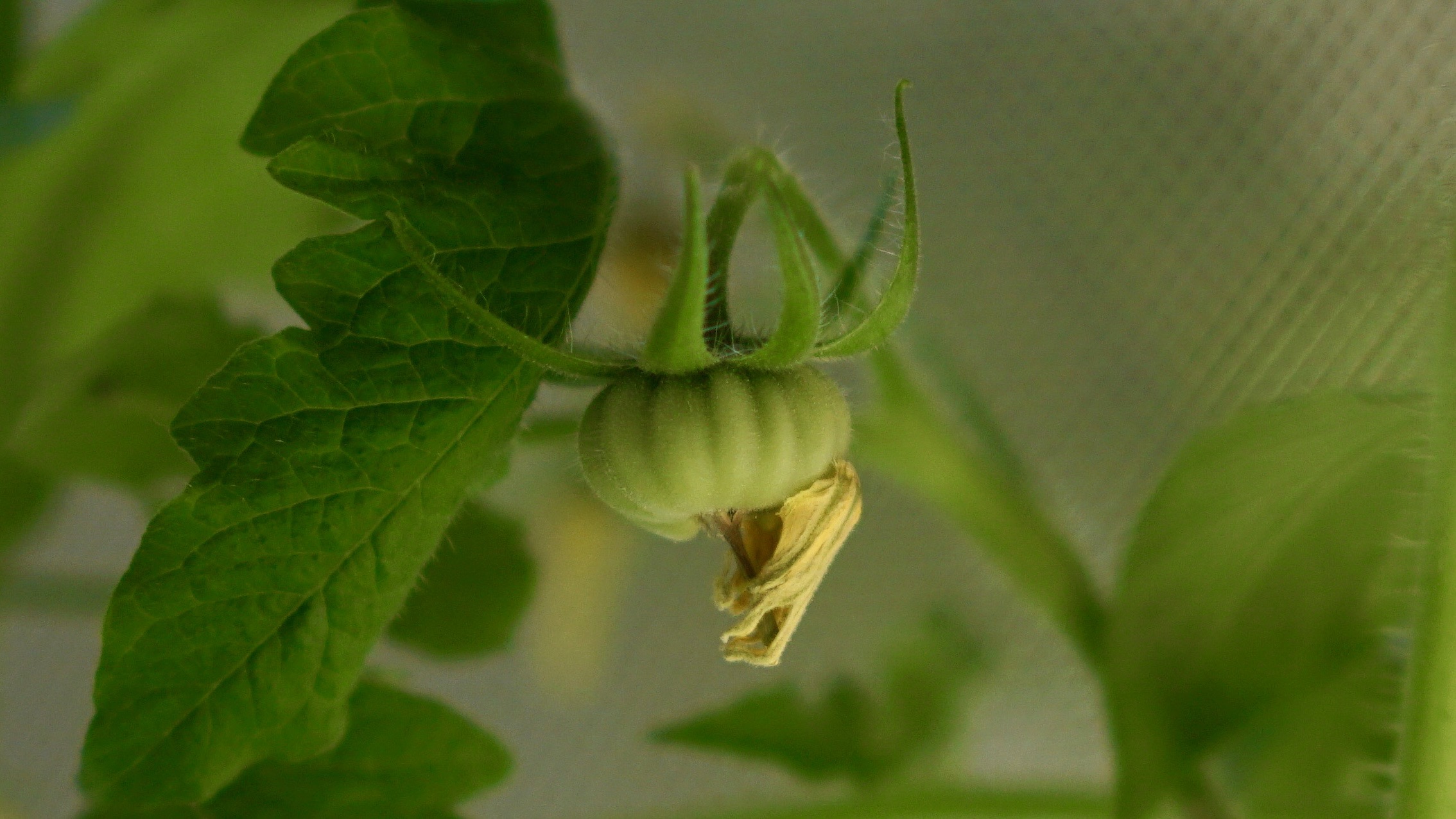
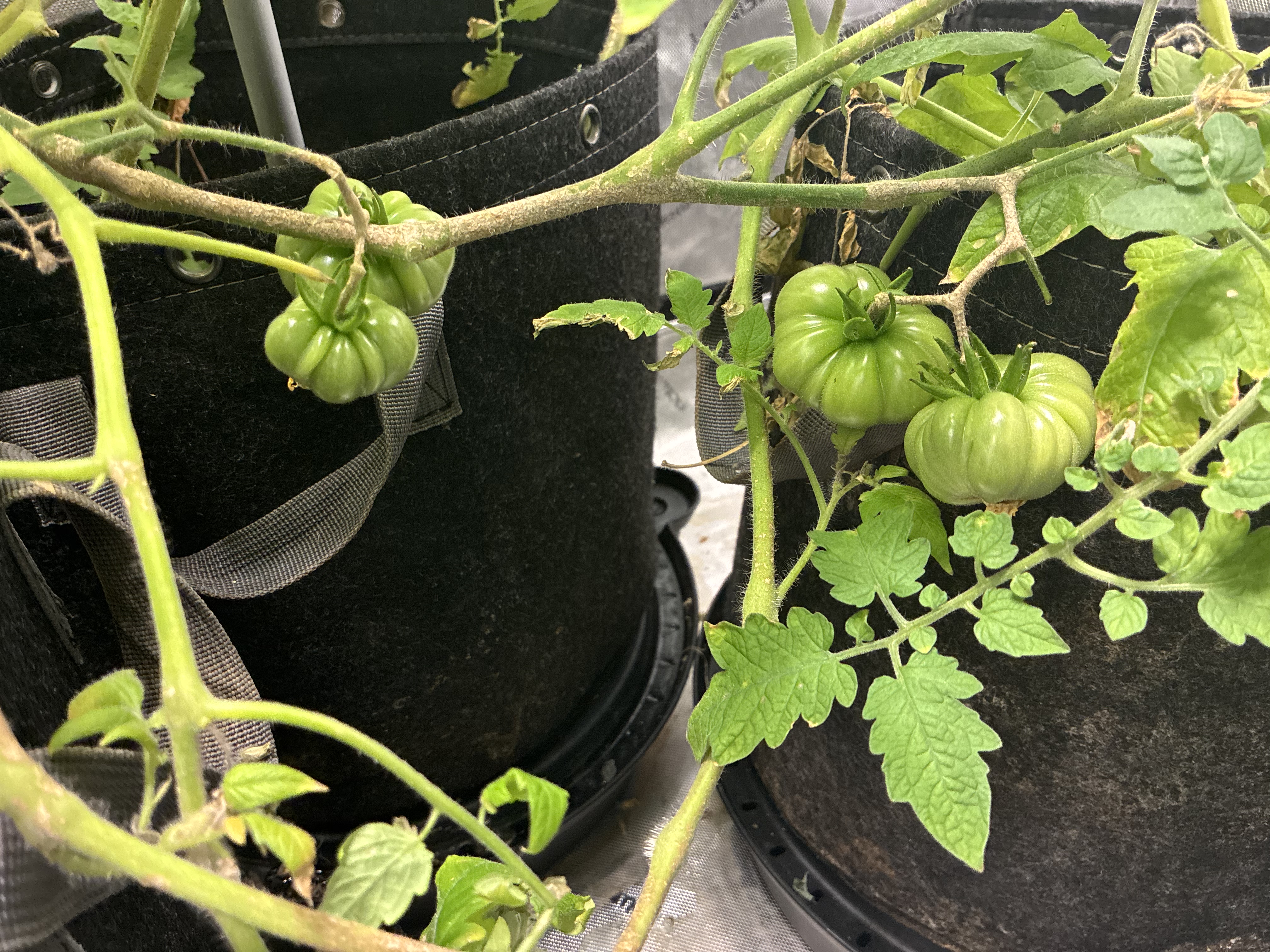
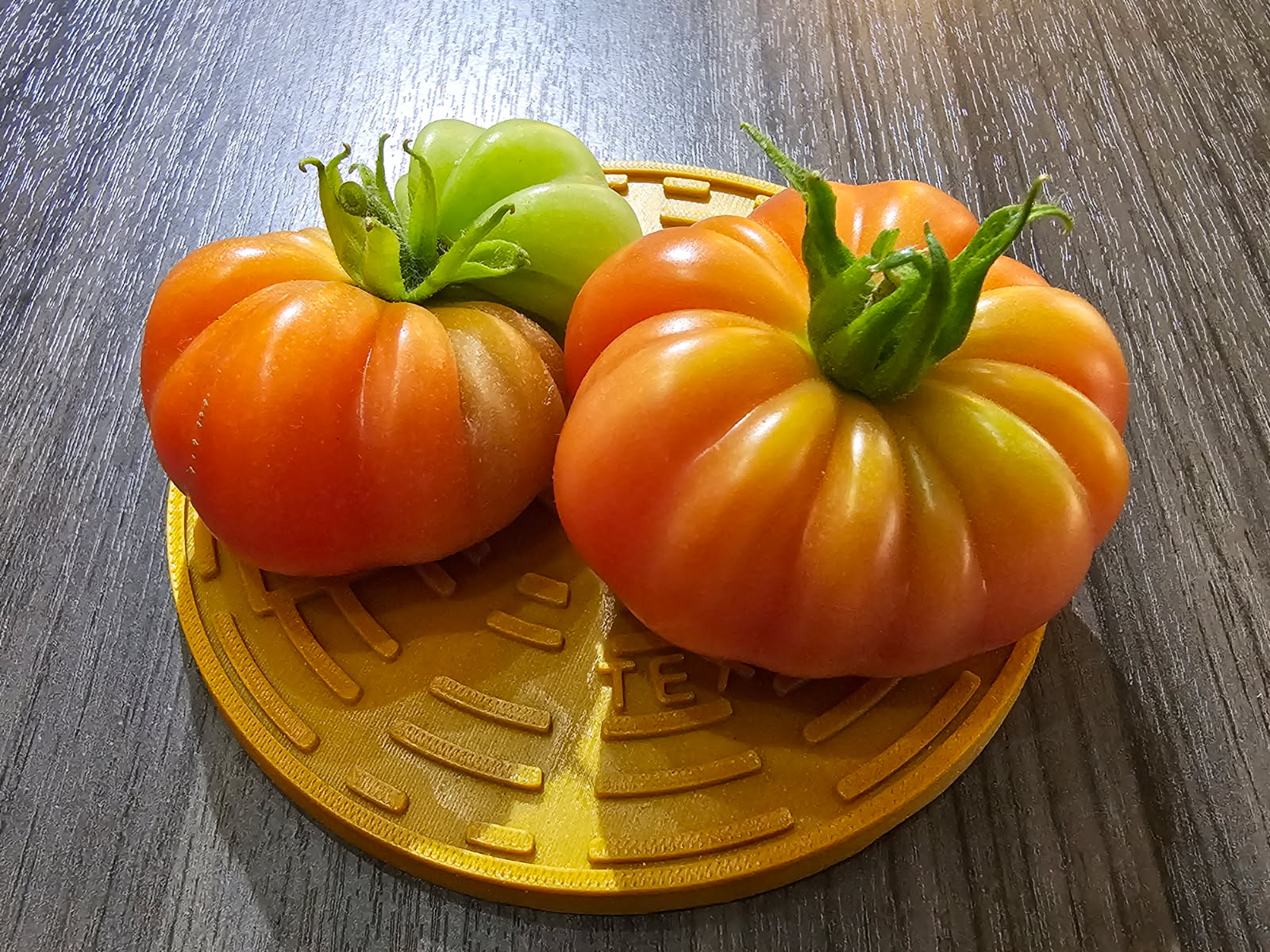
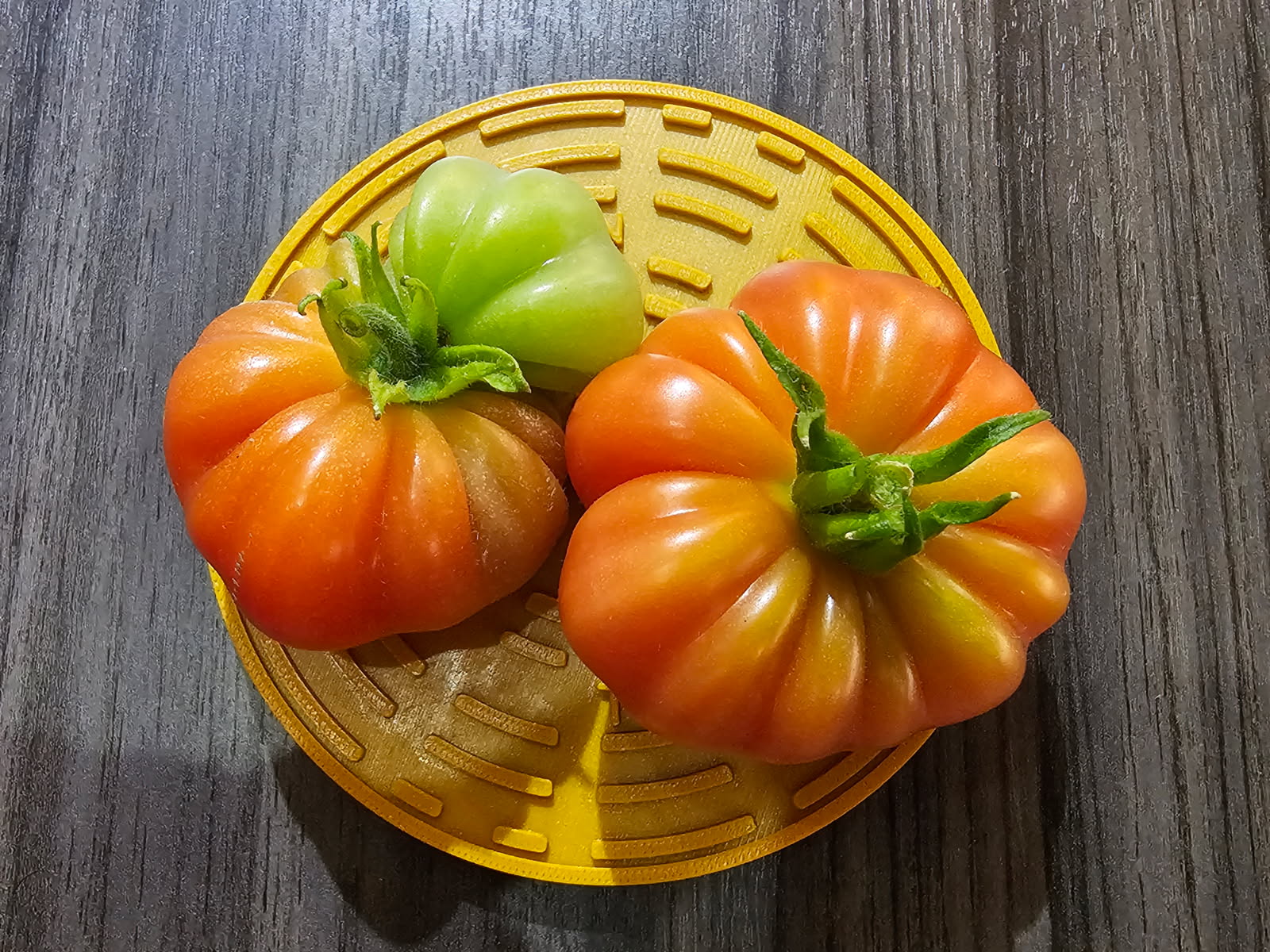
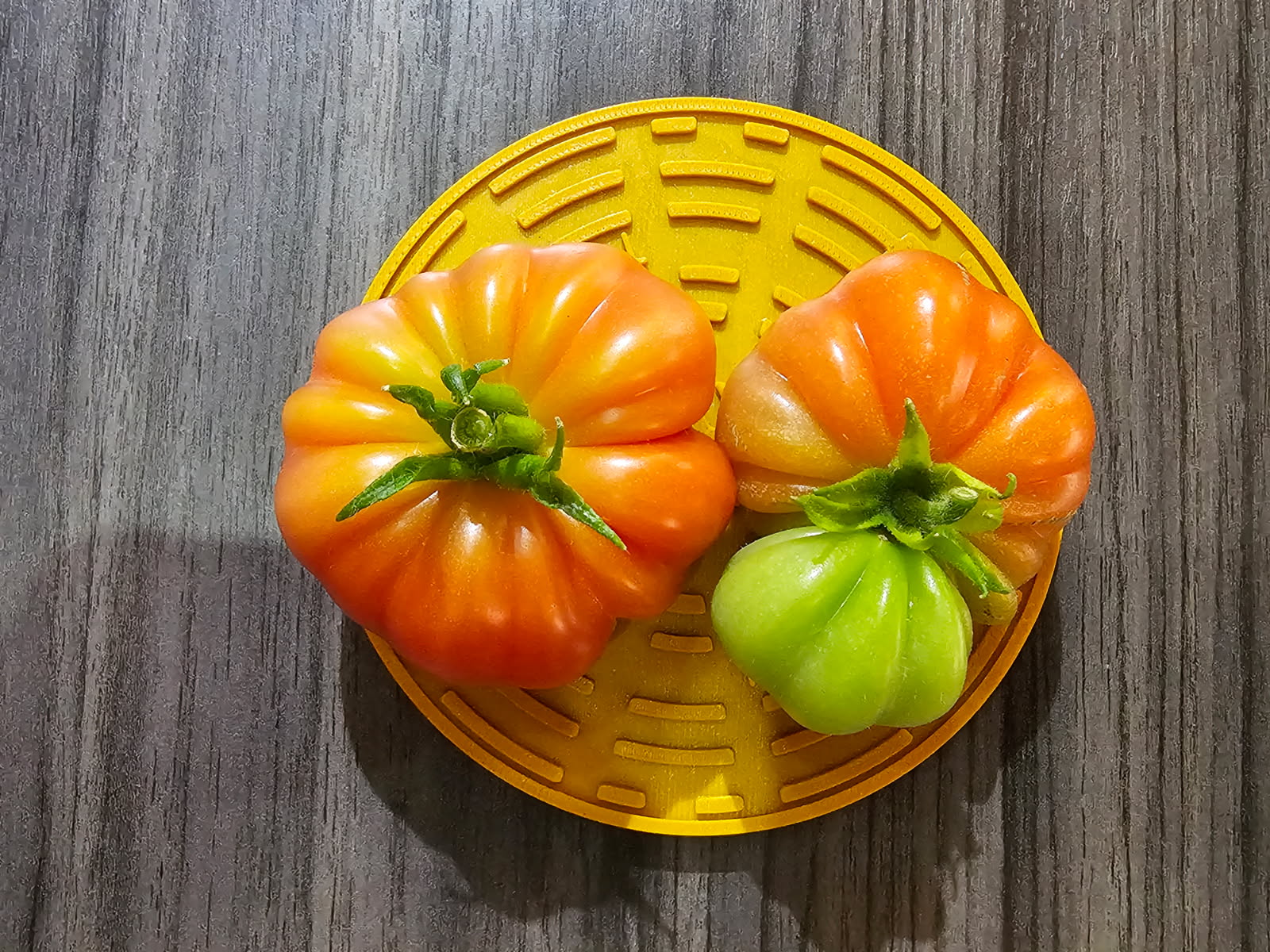
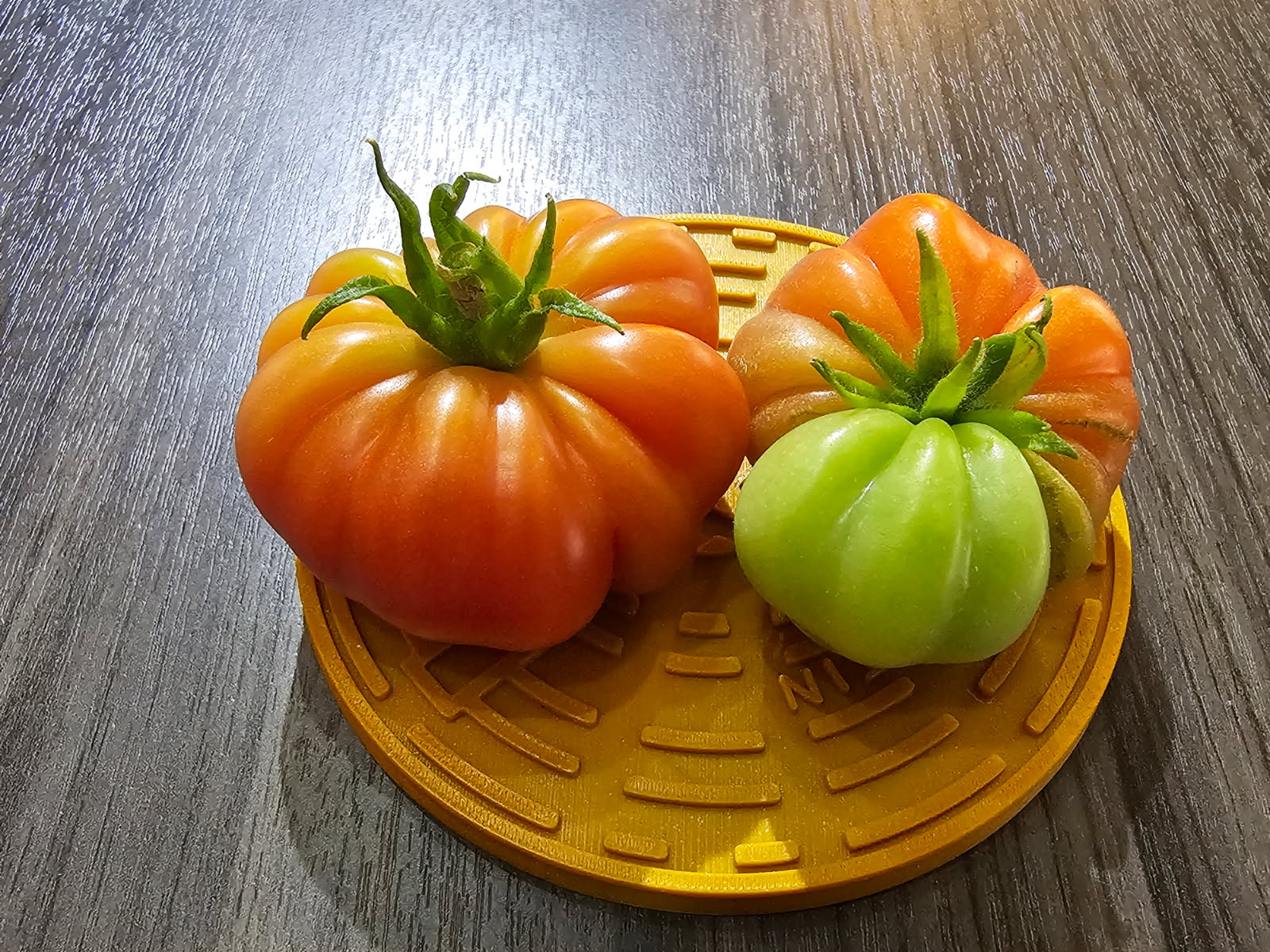
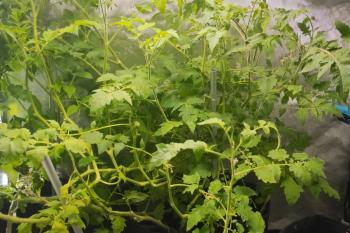
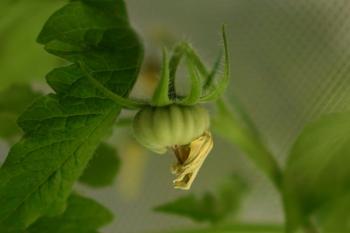
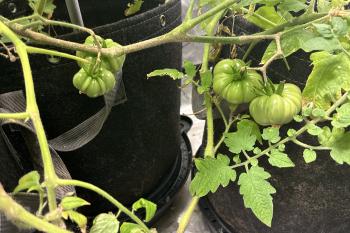
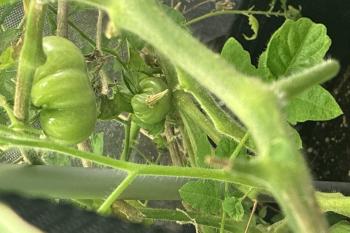
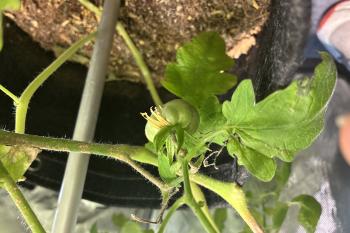
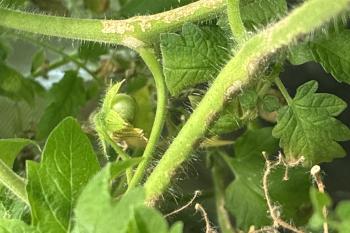
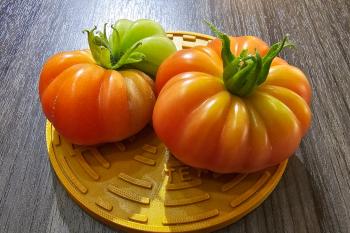
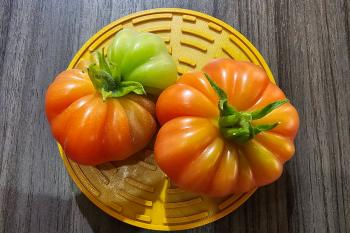
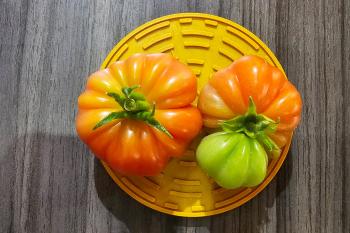
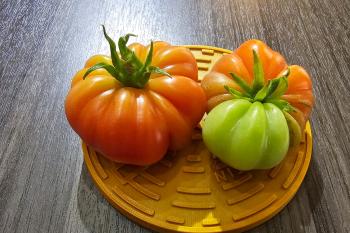
The results were clear: we successfully germinated and grew tomatoes in these simulated extraterrestrial soils. Plants not only survived but demonstrated strong vitality, healthy biomass development, and fruiting potential. This milestone provides tangible evidence that Agrosonics-enabled biological systems can overcome the challenges of extraterrestrial agriculture, paving the way for sustainable crop production in future lunar and Martian colonies.